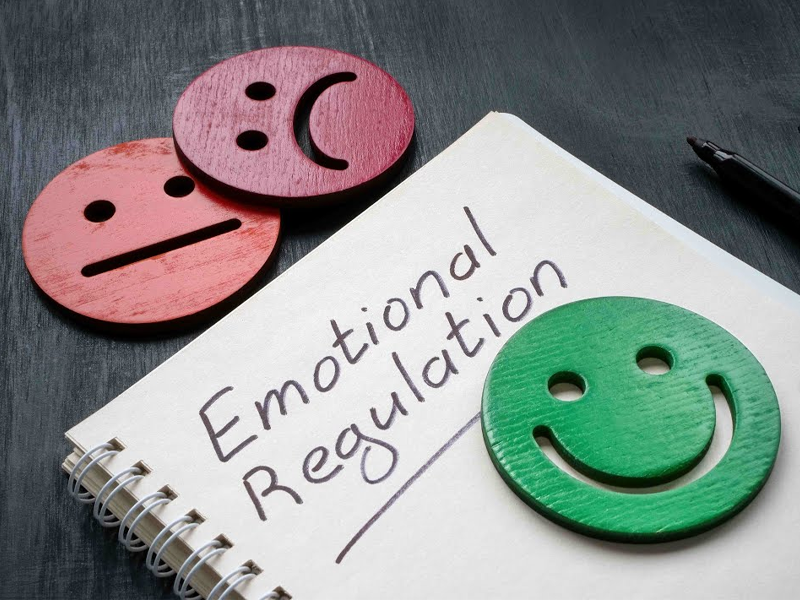
Life can be a series of emotional highs and lows. From the joy of a new opportunity to the frustration of a traffic jam, our emotions shape the way we navigate the world. While it’s natural to feel some emotions deeply, what truly sets us apart in how we handle life’s challenges is our ability to regulate those emotions. Emotional regulation—the ability to supervise the intensity of our emotions and respond to provocative situations in a healthy way—is not just a skill but a fundamental pillar for creating a balanced, fulfilling life.
For many, emotional regulation can feel like an elusive concept. It’s not about suppressing feelings or pretending everything is fine when it’s not. Rather, it’s about acknowledging our emotions and moderating the intensity so we can understand their roots. This allows us to find ways to respond to them that align with our goals and values. And the power of this skill can’t be overstated. Let’s break down why emotional regulation is essential for living a better, more harmonious life.
1. Promotes Healthier Relationships
At the heart of most emotional outbursts, whether in the heat of an argument or moments overwhelming, lies a lack of emotional regulation. When we fail to supervise our emotional responses, we risk damaging our relationships with others. Emotional regulation allows us to pause, reflect, and approach disagreements with a level-headed mindset. Instead of acting out in anger or defensiveness, we respond with considered understanding. This not only prevents unnecessary conflicts but also nurtures deeper connections, built on mutual respect and communication.
2. Improves Mental Health
Unchecked emotions often lead to stress, anxiety, and even depression. Think about how many times you’ve felt overwhelmed by negative thoughts that spiraled out of control. Emotional regulation is crucial in breaking that cycle. By learning how to manage overwhelming emotions, you reduce their negative impact on your mental health. Instead of being slaves to our emotions, we can make conscious decisions about how to respond, which ultimately reduces anxiety and fosters a sense of peace and calm.
3. Enhances Decision-Making
When emotions dominate, our better judgment isn’t even in the room with us! We may act impulsively, driven by anger, fear, or excitement, without considering the long-term consequences. Emotional regulation helps us pause and think before we act. When we are aware of our emotions, we can make decisions based on consequences and the bigger picture, rather than reacting to the moment. This leads to better choices in both our personal and professional lives.
4. Increases Resilience
Life is unpredictable, and challenges will inevitably arise. How we respond to those challenges determines our ability to move forward. Emotional regulation builds resilience. It allows us to navigate setbacks with a sense of power and grace. Instead of sinking into despair or frustration when things go wrong, we are better equipped to process the emotions involved, examine the facts, learn from the experience, and keep moving forward with renewed strength and determination.
5. Boosts Self-Awareness
To regulate emotions effectively it helps understand them. Emotional regulation fosters self-awareness, helping us become more attuned to our emotional states. By regularly checking in with ourselves, we gain insight into our triggers, patterns, and underlying feelings. This awareness empowers us to address the root causes of our emotions, rather than simply managing the surface reactions. The more we understand ourselves, the better we can navigate life’s ups and downs.
6. Enhances Emotional Intelligence
Emotional regulation is a cornerstone of emotional intelligence (EQ). While IQ often dominates in academic and professional settings, EQ is equally, if not more, important for success and well-being. People with high EQ can navigate social interactions with ease, manage their own emotions effectively, stand up for themselves successfully, and empathize with others. By honing emotional regulation, we improve our EQ, which helps us not only in personal relationships but also in our careers and social lives.
7. Leads to Greater Fulfillment
At its core, emotional regulation is about finding balance. When we can regulate our emotions, we are better able to focus on the things that matter most—our passions, our relationships, and our goals. Life becomes less about reacting to circumstances and more about actively creating the life we want. Instead of feeling overwhelmed by the demands of the day-to-day, we can approach each challenge with a calmer, more centered mindset, leading to a greater sense of fulfillment and purpose.
Emotional regulation is more than just a tool for managing stress or addressing conflict. It’s a vital skill for living a rich, meaningful life. It empowers us to build stronger relationships, make better decisions, and face life’s challenges with resilience. By learning to regulate our emotions, we unlock a deeper sense of peace, happiness, and fulfillment. It’s the key to not just surviving, but truly thriving in today’s fast-paced, emotionally charged world.
So, the next time you feel yourself getting caught in an emotional storm, remember that you have the power to weather it. With emotional regulation, life becomes not something we react to, but rather something where we respond with intention and clarity.