Family dysfunction is a pervasive issue that affects countless people across the world. It refers to patterns of behavior within a family system that are harmful, unproductive, or unhealthy. These patterns can manifest in various forms—verbal or physical abuse, neglect, addiction, emotional manipulation, or constant conflict. Family dysfunction can be a silent force that shapes the way individuals see themselves and the world around them, often affecting mental health, relationships, and even career choices. However, recognizing and addressing family dysfunction is crucial to breaking free from the cycle and building a healthier, more fulfilling life.
1. Acknowledging the Problem: The First Step to Healing
The first and most crucial step in overcoming family dysfunction is acknowledging that the problem exists. Many people grow up in dysfunctional families and may not realize the damage it has caused until they are older. For some, it may feel like “normal” because it’s all they’ve ever known. Recognizing the signs of dysfunction—whether it’s constant criticism, emotional unavailability, or unhealthy dependency—can be difficult but is the first step toward healing. Once we recognize the impact, we can begin to challenge the narratives and behaviors that have been passed down, creating space for healthier choices.
2. Understanding the Root Causes
Family dysfunction doesn’t happen in a vacuum. It often stems from unresolved trauma, generational patterns, mental health issues, substance abuse, or socio-economic pressures. Parents who were neglected or abused as children may struggle to provide a nurturing environment for their own children. Similarly, financial stress or cultural expectations may add strain to familial relationships, leading to resentment or frustration. Understanding these root causes allows us to see the dysfunction for what it is—an ongoing cycle of pain that needs to be broken. It’s important to realize that, while we may have inherited certain behaviors, we also have the power to change them.
3. Setting Boundaries: Reclaiming Your Personal Space
One of the most important ways to break free from family dysfunction is by setting healthy boundaries. Boundaries are essential in maintaining emotional, mental, and physical well-being. In dysfunctional families, boundaries are often blurred or nonexistent. Parents or family members may overstep by being overly critical, controlling, or invasive. Learning to assert boundaries means taking control of your personal space and emotional landscape. This could mean limiting contact with toxic family members, saying “no” when needed, or standing up for yourself in situations where you previously felt powerless. Setting boundaries not only protects your mental health but also teaches others how to respect your needs.
4. Healing Through Therapy and Support Systems
Breaking the cycle of family dysfunction often requires professional help. Therapy provides a safe space to explore past trauma, recognize harmful patterns, and learn healthy coping mechanisms. For some, individual therapy can be transformative in processing personal struggles, while family therapy can be helpful for addressing issues within the family unit. Therapy helps uncover the deep-seated beliefs and behaviors that have been perpetuated through generations and provides tools to overcome them. Beyond therapy, building a solid support system of friends, mentors, and others who understand your situation can provide encouragement and perspective during your journey of healing.
5. Healing from Trauma: Rewriting the Narrative
Many people who grew up in dysfunctional families carry deep emotional scars. These can manifest in anxiety, depression, trust issues, or feelings of inadequacy. Healing from trauma involves recognizing these effects and working to rewrite the narrative. This process may include confronting painful memories, reframing negative self-talk, and challenging the internalized beliefs we hold about ourselves. Overcoming family dysfunction often means unlearning the unhealthy messages we received as children, such as “you’re not good enough,” “you don’t deserve love,” or “your emotions don’t matter.” It’s about creating a new, healthier story about who you are, what you deserve, and how you relate to others.
6. Building Healthier Relationships: Learning to Love and Trust Again
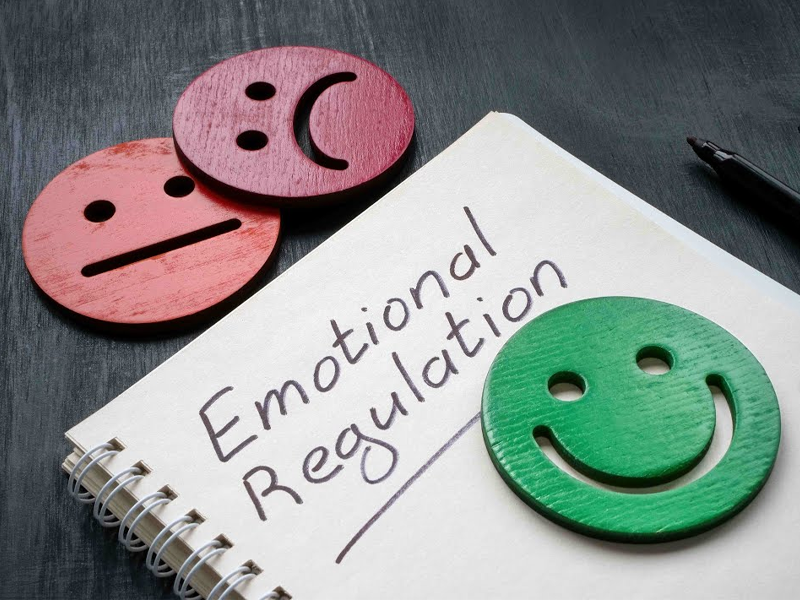
Overcoming family dysfunction isn’t just about healing oneself; it’s about learning to form healthier relationships. Dysfunctional families often teach harmful patterns of communication, emotional availability, and trust. As adults, we may struggle with forming connections, fearing rejection, or repeating toxic patterns with romantic partners, friends, or colleagues. By working on self-love, emotional regulation, and communication skills, we can begin to cultivate healthier, more fulfilling relationships. Learning to trust again, setting clear expectations, and respecting others’ boundaries are key steps in developing meaningful and supportive connections.
7. Forgiveness and Letting Go
Forgiveness is a crucial part of healing from family dysfunction, but it doesn’t mean condoning harmful behavior. Forgiveness is about releasing the hold that resentment and anger have over us. It allows us to free ourselves from the past and move forward. However, forgiveness is a process that takes time, and it may not always include reconciliation. For some, forgiving a family member may mean accepting that they can’t change and choosing to let go of the hurt they’ve caused. It’s about finding peace within ourselves, regardless of what others have done.
8. Creating a New Legacy
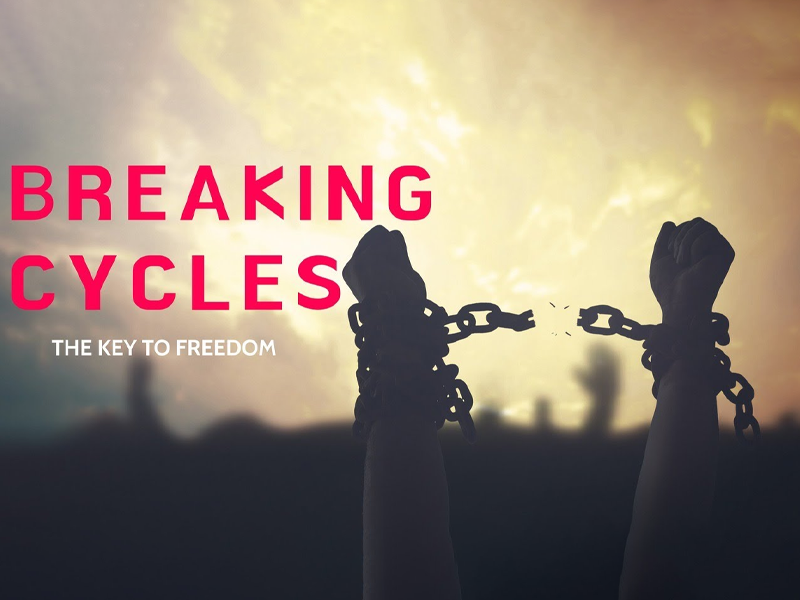
Breaking the cycle of family dysfunction isn’t just about healing the present—it’s about creating a new legacy for future generations. The way we raise our children, interact with our partners, and treat ourselves can either perpetuate or end the cycle of dysfunction. By consciously choosing healthy patterns, such as practicing open communication, setting clear boundaries, and modeling emotional regulation, we lay the groundwork for healthier family dynamics in the future. It’s about choosing to break free from the chains of the past and creating a new, positive cycle for those who come after us.
Family dysfunction is painful, but it is not permanent. Overcoming it requires acknowledging the problem, setting healthy boundaries, seeking professional support, and learning new ways to relate to ourselves and others. The process of healing may be long and challenging, but it is entirely possible. By breaking free from the cycle of dysfunction, we can create healthier relationships, heal from past wounds, and build a life that aligns with our values and desires. Breaking the cycle is not just about escaping the past; it’s about creating a brighter future, one where love, respect, and emotional well-being are the foundation.