The formative years of our lives—childhood—play a profound role in shaping who we become as adults. The experiences, both positive and negative, that we encounter during these early years leave an indelible mark on our behavior, personality, and even our mental health. While many of us may think of childhood as a distant part of our past, its influence continues to echo throughout our lives. Understanding how childhood experiences shape our adult behaviors can offer valuable insights into personal growth, relationships, and mental well-being.
1. The Foundation of Emotional Regulation
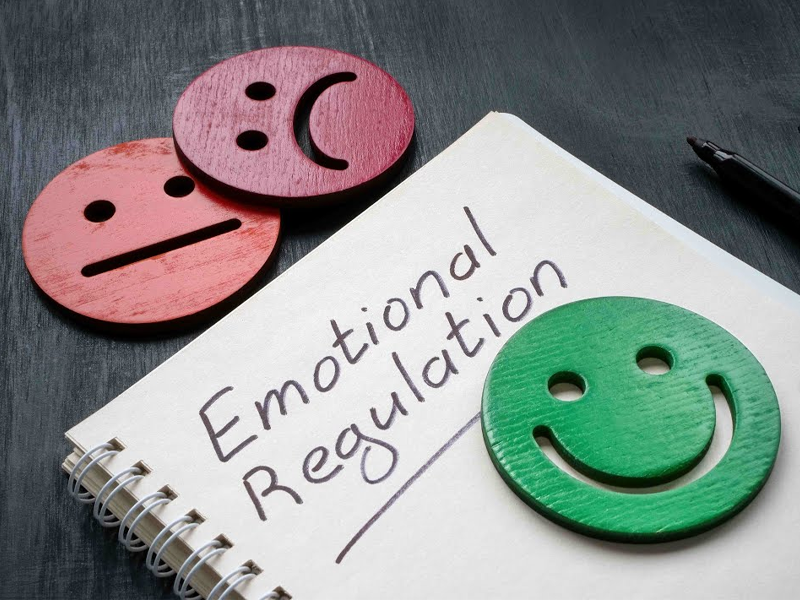
One of the most significant ways childhood experiences influence adult behavior is through the development of emotional regulation. As children, we learn how to manage and express our emotions largely based on the responses and modeling we receive from caregivers. If we grow up in an environment where emotions are validated, and healthy coping strategies are taught, we are more likely to develop strong emotional regulation skills as adults. On the other hand, children who experience neglect, emotional invalidation, or inconsistent emotional responses may struggle with handling emotions as adults, leading to difficulties in relationships, stress management, and mental health.
2. Attachment Patterns and Relationships
Attachment theory, a concept developed by psychologist John Bowlby, emphasizes the impact of early bonds with caregivers on our relationships throughout life. Secure attachment—when children feel safe, nurtured, and valued—tends to lead to healthier adult relationships marked by trust, communication, and emotional intimacy. Conversely, insecure attachment patterns, formed through neglect, inconsistency, or trauma, can manifest as adult behaviors such as fear of intimacy, avoidance of close relationships, or difficulty trusting others. Understanding our attachment style can shed light on why we behave the way we do in our personal relationships and offer a path toward healing and healthier connections.
3. Coping Mechanisms and Defense Strategies
The coping mechanisms we develop as children often carry over into adulthood. For example, children who are raised in stressful or chaotic environments may resort to maladaptive coping strategies like avoidance, denial, or aggression to manage their feelings. These patterns can become deeply ingrained and resurface as adults in the form of unhealthy habits such as emotional eating, substance abuse, or avoidance of conflict. Conversely, children who learn adaptive coping mechanisms, such as problem-solving and seeking support, tend to navigate adult life with a more balanced approach to challenges.
4. Self-Esteem and Self-Worth
Our sense of self-worth is shaped early on by how we are treated by those around us, particularly by our parents or caregivers. Children who receive love, praise, and encouragement are more likely to develop a healthy self-esteem, believing they are worthy of love and success. Those who experience criticism, neglect, or emotional abuse may struggle with feelings of inadequacy, insecurity, and low self-worth well into adulthood. This can manifest in behaviors such as perfectionism, people-pleasing, or an overwhelming fear of failure. Healing and nurturing self-esteem in adulthood often require revisiting and reframing the negative beliefs formed during childhood.
5. Social Skills and Communication
The way we learn to interact with others as children often sets the stage for how we communicate and engage with people as adults. Children who are encouraged to share, take turns, and express their thoughts and feelings in a supportive environment often grow up to be confident communicators, capable of expressing themselves and navigating social dynamics with ease. On the other hand, children who grow up in isolating environments, or who experience bullying, may struggle with assertiveness, social anxiety, or difficulties in establishing meaningful relationships. These early experiences shape how we navigate the complex web of adult social interactions, whether at work, in friendships, or within romantic relationships.
6. Trauma and Its Long-Term Impact
While many childhood experiences are positive, some can leave lasting scars in the form of trauma. Trauma, whether from abuse, neglect, or a traumatic event, can significantly affect adult behavior. The impact of childhood trauma can manifest in various ways, including difficulty with trust, emotional numbness, chronic anxiety, and even PTSD. It’s important to recognize that trauma doesn’t have to be overt or obvious to leave an enduring mark. Subtle forms of emotional neglect or verbal abuse can be just as damaging as physical trauma, influencing our ability to form healthy relationships, handle stress, and maintain mental well-being as adults.
7. The Role of Childhood Beliefs and Expectations
Our childhood experiences also influence the beliefs and expectations we carry into adulthood. The values, cultural norms, and societal messages we receive as children shape our worldview, often in ways we don’t realize. For instance, children raised in an environment that emphasizes academic success may grow up believing that achievement is the key to self-worth, which can lead to perfectionism and burnout as adults. Similarly, children who are taught to value independence above all else may struggle with vulnerability and asking for help in adulthood. These ingrained beliefs influence the decisions we make, our goals, and how we handle success and failure.
8. Parenting Styles and Behavioral Patterns
Our parents’ approach to discipline, affection, and conflict resolution plays a direct role in shaping how we handle authority, set boundaries, and raise our own children. Children who grow up with authoritative parents—those who balance warmth and structure—tend to develop healthy boundaries and a strong sense of responsibility. However, children raised with overly strict, permissive, or absent parents may replicate these patterns in their adult relationships, either overcompensating with strictness or neglecting boundaries altogether.
Childhood is a formative period where we lay the foundation for the rest of our lives. The experiences we have, whether positive or negative, mold the way we think, feel, and behave as adults. Understanding this connection allows us to reflect on our current behavior and make conscious decisions to heal, grow, and develop healthier patterns moving forward. Whether through therapy, self-reflection, or simply developing new coping strategies, it is possible to reshape the impact of childhood experiences on our adult lives. In doing so, we empower ourselves to live more fulfilling, balanced lives.